Back in March, I set myself an intention for the year rather than a resolution. Inspired by Internal Family Systems (IFS), I chose to focus on one of the qualities of Self: Connection.

Nine months on, I’ve been reflecting on how that intention has unfolded. What strikes me is the variety of ways connection has shown up in my life — with myself, with others, and with the wider world.
In recent months, I’ve been:
- Taking a deeper look at self-care and what true rest really means.
- Diving into conversations around women’s health and menopause, and the importance of accessible resources.
- Exploring tools that support mental health and noticing changes early.
- Finding nourishment in shared learning experiences — both as a student and a facilitator.
- Continuing my passion for Transactional Analysis and offering workshops that bring this and IFS to others.
- Exploring shadow work and astrology, connecting archetypes with birth charts as pathways to transformation.
Each of these has offered me fresh insights into what connection looks and feels like in practice.
In the sections that follow, I’ll share more about these themes and why they feel so important right now. I hope something here sparks reflection for you too — so please, read on…
Self Care and Seven Types of Rest
We’ve just moved through the Autumn Equinox (22nd September) — that moment of balance between light and dark — which feels like a natural reminder to pause and reflect on how we create balance in our own lives. One of the ways we can do this is by paying attention to how we rest.

Park in Den Bosch
So often, we think of rest as simply sleeping more or putting our feet up, but there are actually many different kinds of rest — and each nourishes us in its own way.
I’ve been experimenting with this myself, trying to weave different types of rest into my week and then noticing how I feel afterwards. It’s a bit of an ongoing challenge (and sometimes a conundrum!) but it has made me far more aware of what I need in order to feel balanced and replenished.
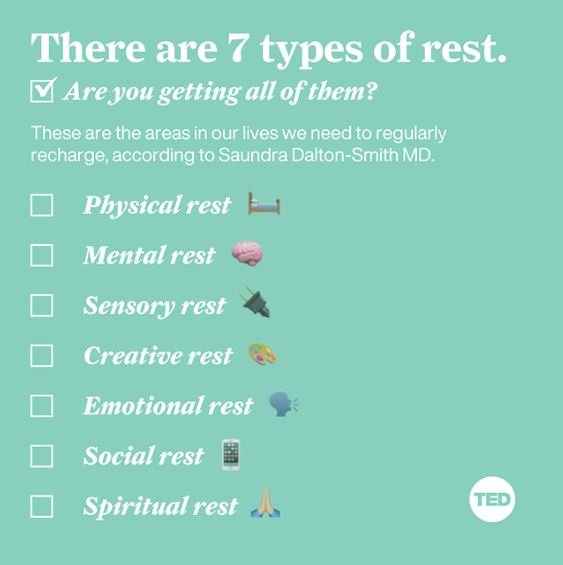
A friend recently introduced me to the work of Nicolle, who shares brilliant resources on supporting the nervous system, balancing blood sugar, calming inflammation, and boosting energy and digestion. Using Nicolle’s ideas, my friend created a simple resource reflecting on the 7 Types of Rest — and with her permission, I’m delighted to pass it on here. 7 Types of Rest – PDF
Curious to explore further? I also discovered an inspiring TED Talk by Dr Saundra Dalton-Smith, who has done extensive work on this topic. On her website, she even offers a self-assessment tool to help you identify which areas of rest you may need to focus on most.
Here’s a quick overview of the seven types of rest, which might give you some ideas to try out for yourself:
The 7 Types of Rest at a Glance
- Physical Rest
This can be passive (like sleep or napping) or active (gentle stretching, yoga, massage) — ways to restore your body and ease tension. - Mental Rest
Giving your mind a break from constant problem-solving, planning, or screen time. Short pauses, journaling, or mindfulness can all help quiet mental chatter. - Sensory Rest
Our eyes, ears, and nervous systems are constantly bombarded by noise, light, and stimulation. Unplugging from devices, dimming the lights, or spending time in calm surroundings helps restore balance. - Creative Rest
Recharging by connecting with beauty and inspiration — nature, art, music, or simply giving yourself space to daydream. It’s about feeding the imagination, not just producing. - Emotional Rest
Allowing yourself to express feelings honestly, without needing to perform or please. It might come through talking with someone you trust, therapy, or giving yourself permission to not carry everything alone. - Social Rest
Being intentional about the company you keep. It means seeking out relationships that nourish you, while setting boundaries with those that drain your energy. - Spiritual Rest
Finding connection, meaning, and belonging beyond yourself — whether through faith, meditation, nature, or practices that ground you in purpose.
For me, the reminder is simple yet profound: if we don’t connect with ourselves, how can we truly connect with others?
Reflection: Which type of rest do you most need right now — and how might you give yourself permission to lean into it this week?
Women’s Health and Menopause
Over the past few years, I’ve noticed how much more openly we are talking about menopause — and what a difference that makes. For too long it was a quiet, sometimes taboo subject, leaving many people to struggle on their own without the knowledge or support they needed.

One person who has played a big role in changing that conversation is Dr Louise Newson. She’s a GP and menopause specialist here in the UK, and she’s done a huge amount to make information about menopause accessible. She set up Newson Health, developed the Balance app, writes books, hosts a podcast, and has been active in the media and government work around menopause.
What I really value about her work is how she:
- Brings the topic of menopause out into the open.
- Makes information accessible and easy to understand.
- Promotes a holistic approach — looking not just at hormones, but also lifestyle, wellbeing, and mental health.
- Advocates for treatment that’s individualised, recognising that our bodies don’t all respond the same way.
At the same time, like many high-profile clinicians, her work has sparked debate. Some in the medical community have raised concerns about higher-than-usual doses of HRT prescribed in her clinics, and there’s been discussion around how closely her approach aligns with conventional guidelines. For me, this highlights how important it is to stay curious, seek balanced information, and talk openly with trusted health professionals before making decisions.
If you’d like to explore her resources, here are a few places to start:
- Balance App — track symptoms and learn more about menopause.
- The Dr Louise Newson Podcast — lots of insightful conversations.
- Her website — articles, resources, and clinic information.
For me, the takeaway is this: menopause care is not one-size-fits-all. Dr Newson has done a great job of making information accessible and encouraging people to ask questions. And while there are different professional opinions about aspects of her approach, I think the most important thing is that people feel informed, supported, and able to make choices that are right for them.
Reflection: Have you found sources of information or support around menopause that feel empowering? What else might you need to feel more confident in navigating this stage of life yourself?
Mental Health
As psychotherapists, it’s essential that we keep up to date with developments in the field of mental health so we can offer clients the most relevant, effective, and compassionate support. New research, tools, and perspectives can deepen our practice and expand the options we bring into the therapy room. Just as importantly, we need to remain attentive to our own mental health. Staying open to our needs, recognising when we need rest, reflection, or support, helps us to remain resilient and grounded. In doing so, we not only sustain ourselves but also model what it means to “walk our talk” — showing clients that self-awareness and self-care are lifelong practices, not just ideas we talk about.
I subscribe to the newsletter The Daily Wellness and would highly recommend it if you’re interested in evidence-based guidance, up-to-date resources, and first-hand accounts to support your mental health journey. The best part is that it’s completely free and delivered straight to your inbox. If this speaks to you, please click below to be taken to their website where you can subscribe yourself.
Shared Learning Experiences
One of the things I keep coming back to in my work — and in my own personal journey — is how nourishing shared learning can be. Whether I’m sitting in the seat of a student or standing in the role of facilitator, there is something deeply life-giving about learning alongside others.
As a facilitator, the nourishment comes in a different but equally rich way. Guiding a group through new ideas or practices isn’t just about sharing knowledge — it’s about creating a space where curiosity, courage, creativity and reflection can flourish. I love seeing how participants build on each other’s insights, and how the group energy often takes us somewhere none of us could have reached alone. Each workshop becomes its own unique experience, shaped by the people in the room and the connections we create together.
For me, shared learning is never a one-way exchange. It’s a circle: the more I offer, the more I learn; the more I learn, the more I have to offer. That reciprocity is what makes it so nourishing — it feeds both the mind and the heart.

💭 Reflection for you: When was the last time you felt truly nourished by learning with others? And what role did you play — listener, contributor, question-asker, or perhaps all three?
My Upcoming CPD Offerings
-
Exploring Internal Family Systems (IFS) — Upcoming Workshops
Over the summer I’ve been reflecting a lot on my ongoing journey with Internal Family Systems (IFS) — both through my own practice and by sharing it with others. In June, I ran a one-day introductory workshop for local therapists here in Nuneaton, and the feedback was wonderfully encouraging. Many participants said it was “just what they needed” — a chance to get a taste of the model without the time or financial commitment of a full Level 1 training.
IFS is a therapeutic approach developed by Dr Richard Schwartz that sees our inner world as being made up of different “parts” — each with its own role, voice, and perspective. Sometimes those parts can be in harmony, but often they can be in conflict, leaving us feeling stuck, overwhelmed, or critical of ourselves. At the core of IFS is the belief that we all have access to a deeper essence called the Self, which embodies qualities such as compassion, calm, curiosity, and connection.

Because of the interest in June’s session, I’m delighted to be offering this one-day IFS introductory workshop again in November. It’s designed for therapists, counsellors, and coaches who are curious about the model, as well as anyone interested in their own personal growth. We’ll explore the foundations of IFS theory, experience some guided exercises, and create space for discussion and reflection.
My hope is that people leave the workshop not only with a better understanding of IFS but also with a renewed sense of connection to themselves — and some practical tools to bring into their work and daily lives.
✨ If you’d like to join us on Sunday 23rd November 2025, please do get in touch to reserve your place. https://heliostestingdomain.uk/courses/from-theory-to-practice-embodying-internal-family-systems-in-your-personal-and-professional-life/
-
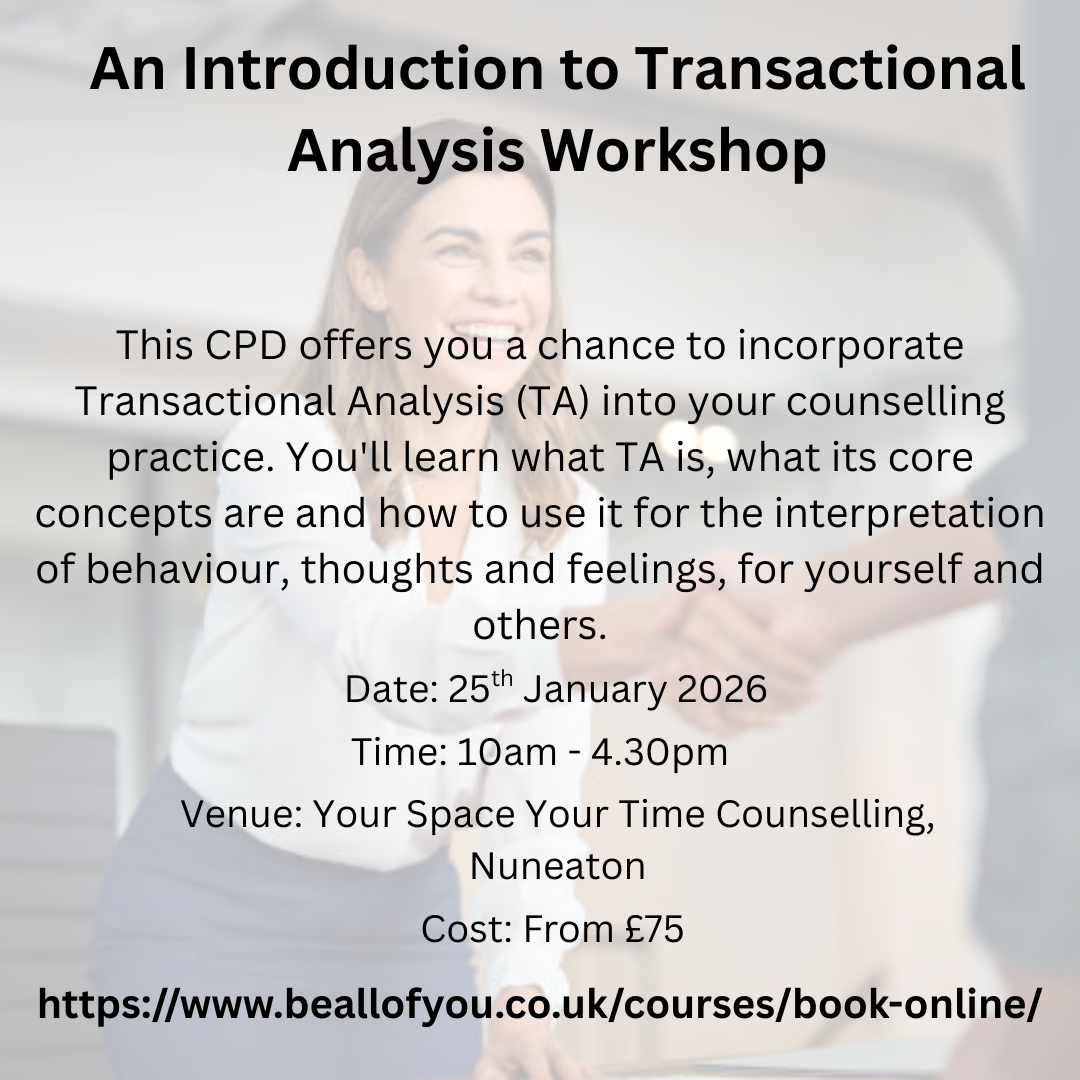
Transactional Analysis
I first came across TA when I started my journey to becoming a therapist in 1996. I have always been fascinated by the ways in which Transactional Analysis (TA) helps us make sense of human behaviour. For me, it offers a practical, insightful framework that not only deepens self-awareness but also strengthens how we relate to others—personally and professionally. That’s why I love teaching this one-day workshop: it brings TA to life in a way that is accessible, interactive, and immediately useful.
During the day, we explore some of the most powerful aspects of TA:
- Understanding how TA shapes thinking and behaviour
We look at the foundations of TA and how it explains the patterns behind our thoughts, feelings, and actions. - Exploring the ‘ego states’
The Parent, Adult, and Child models—both structural and functional—help us understand the different parts of ourselves that come forward in communication and decision-making. - Noticing ‘exclusion’
Sometimes one ego state is pushed aside, which can limit our choices and impact our relationships. Together we’ll explore how and why this happens, and what we can do to minimise its effects. - Recognising different types of ‘transactions’
We’ll explore the patterns of communication we engage in, how they play out, and how to shift them toward healthier exchanges. - Exploring ‘life positions’
These core beliefs influence how we see ourselves and others, and they shape our behaviour in subtle but powerful ways. - Working with ‘strokes’
TA teaches us about recognition and how vital it is in relationships. We’ll look at how you can consciously give and receive strokes to build deeper and healthier connections. - Identifying ‘drivers’
Those inner messages that push us—such as “Be Perfect” or “Please Others”—are often activated under stress. We’ll look at how they show up and how to manage them. - Unpacking ‘games people play’
TA offers brilliant insight into those repeating, often frustrating patterns that leave us feeling stuck. We’ll explore examples of these games and discover strategies for stepping out of them. - Using TA to improve relationships
Ultimately, this workshop is about application. We’ll consider how TA can be used to improve communication, build self-awareness, and strengthen relationships in both personal and professional life.
For me, TA is much more than a theory—it’s a language for self-understanding and growth. It gives people the tools to recognise choice, change patterns, and step into healthier ways of relating. My aim in this training is to create a space where the theory comes alive, where you can connect it to your own experiences, and where you leave with practical skills you can use straight away.
Whether you’re a therapist, coach, or simply someone who wants to understand yourself and others better, I believe this workshop will give you valuable insights and strategies to support real change. If you want to know more, book on the workshop in January 2026 and immerse yourself in this fascinating exploration.
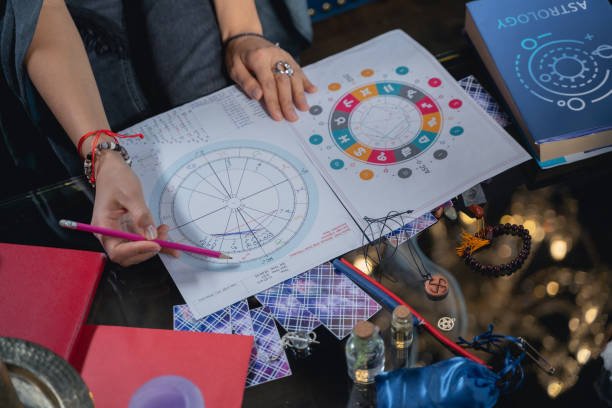
A Beginner’s Guide to Reading Birth Charts, Planets, and Houses
Earlier this month, I had the joy of facilitating a workshop that wove together Carl Jung’s ideas on archetypes, shadow work, and astrology. Together we explored how our “hidden” aspects — the parts of ourselves that often sit just beneath awareness — can point towards areas of growth and transformation. It was fascinating to see how personal birth charts added another layer of insight, helping participants connect these ideas back to their own lives in practical and meaningful ways.
Building on that experience, I’m excited to invite you to my next workshop on Saturday 7th December, where we’ll take a deeper dive into reading and interpreting birth charts. This session will be a chance to:
-
Learn the basics of chart interpretation in a supportive, accessible way.
-
Explore how planetary placements and patterns can highlight personal strengths, challenges, and opportunities.
-
Reflect on how your chart can offer guidance as you navigate choices and possibilities in life.
This workshop is designed for anyone who is curious — no prior knowledge of astrology is needed, just an openness to explore and reflect.
✨ If you’d like to join us on 7th December, please get in touch to reserve your place. https://heliostestingdomain.uk/courses/book-online/
In Closing…
Looking back, the theme of connection has carried me through this year in unexpected and enriching ways — connecting to myself, to my health, to learning, and to others. As I move into the last quarter of the year, I’m curious to see where connection will take me next.
💭 What does Connection mean for you at this point in the year?
I look forward to hearing from you or seeing you at one of my CPD offerings, until next time, go gently….