Reflections on this last quarter…
New Years Eve…
I started thinking about writing this blog on New Year’s Eve. At that time, there was a lot of content on social media about New Year’s resolutions, getting fit, losing weight and creating visioning boards. I’ve engaged in all of these topics personally over my lifetime, and on the eve of 2025, I found myself thinking about the pressure that social media can create telling us we need to be different, better or more and the impact of loneliness and separation from those around us.
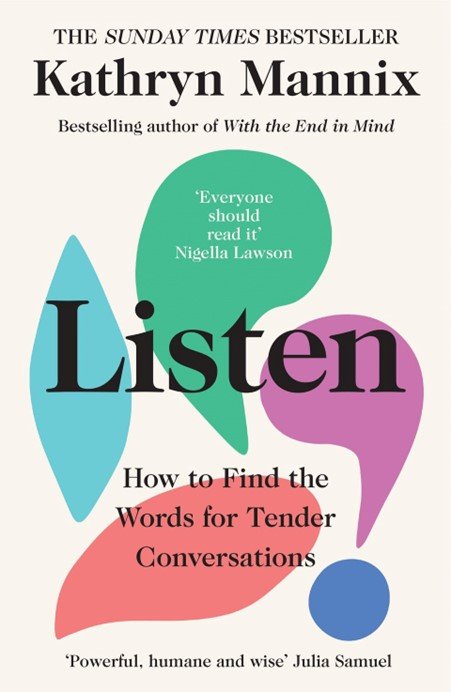
Synchronicity would have it that I was reading the book “listen” by Kathryn Mannix, who described loneliness in current days beautifully as follows…
“The reality is we are social animals. We are hardwired the connection to one another. Yet community living becomes lost in urban anonymity and rural distance; it is become harder to make meaningful relationships; a loneliness epidemic has been recognised. Loneliness is not about lack of company but lack of connection. Surrounded by people but with no one to hear us can be a place lonelier than isolation.”
A Fresh Approach to a New Year…
I don’t make any New Year’s resolutions; my experience is that I don’t stick to them, and I can then feel embarrassed/ashamed that I haven’t achieved what I so confidently said I would. In listening to a podcast with Rangan Chatterjee I heard one of his guests talking about how setting goals can fail because they are dependent on us maintaining motivation, in the face of setbacks, changing circumstances and the demands of everyday living. The discussion went on to explore the benefit of developing habits, and his guest described her “habits” as being “standards” that she sets herself, which encourages her commitment and accountability for these practices, for her ongoing health and well-being.

A Fresh Approach – Setting Intentions…
On another day, I came across the idea of having “intentions”, in addition to or instead of goals/outcomes or New Year’s resolutions. An intention is different to goal or outcome because to set an intention is to focus your energy and resources on a particular experience you hope to have. While this may sound like goal-setting, they’re different.
* To set a goal is to work towards an outcome.
* To set an intention is to work towards a feeling.
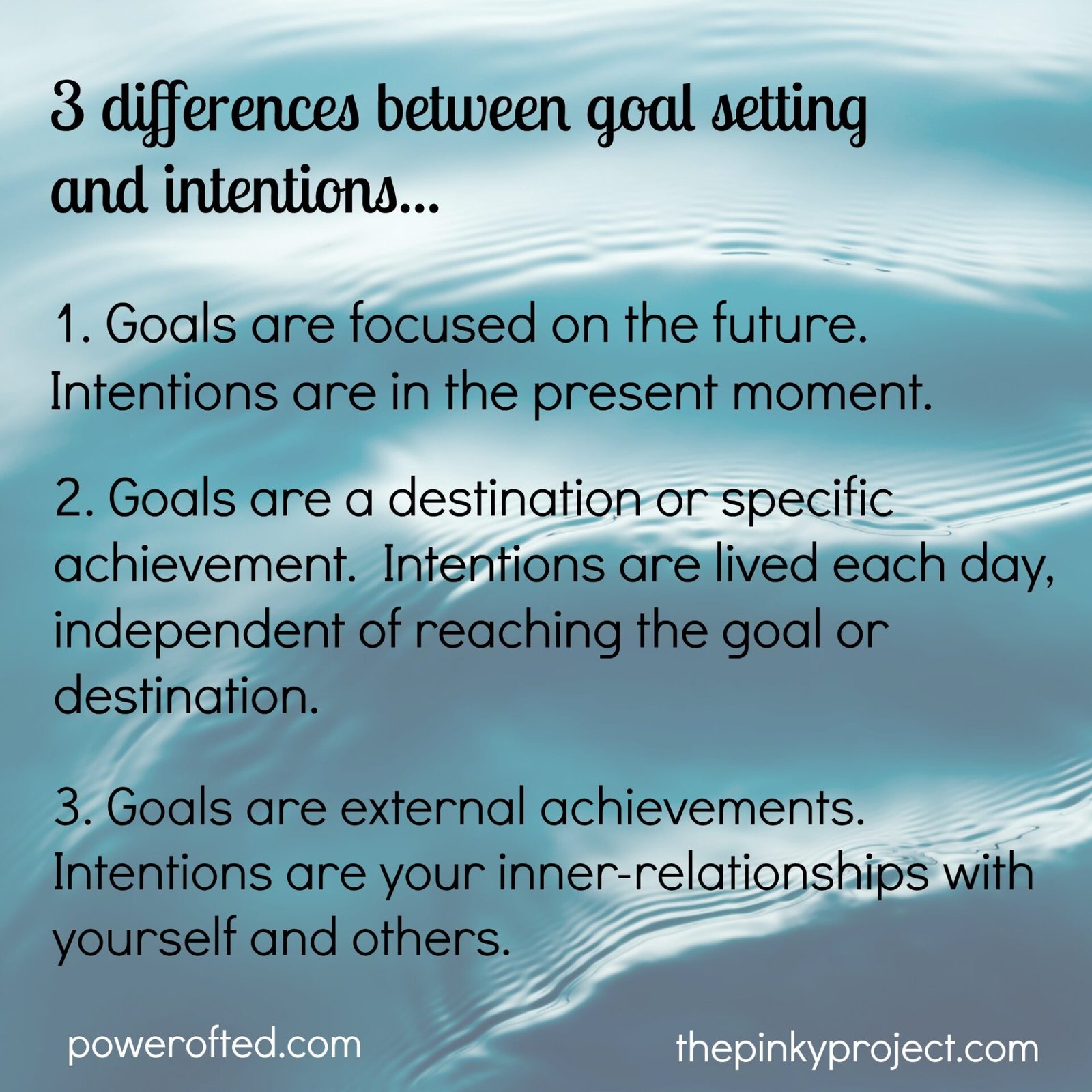
With this in mind I decided that my intention for this year was to focus on one of the qualities of self as described in Internal Family Systems (IFS) and chose “connection”. When I shared this intention with a few of my close friends, there was some surprise that I would pick that quality, many of them saying that their perception was that I had many meaningful/deep connections in my life. Whether that is how I would see it or not, having reflected on my thoughts about loneliness and separation at New Year, connection seem to be the quality I wanted to develop most. Whilst I’m always seeking to be as “Self Led” as possible, and therefore tracking my experience of what Dick Schwartz calls the “8C’s” the idea of focusing with intention on a quality over the year ahead gained some momentum in a couple of groups that are a part of. So, I was curious if you had to pick one of the 8C’s as an intention, a quality you want to improve in being self led or develop in your day-to-day relationships, which would you pick?
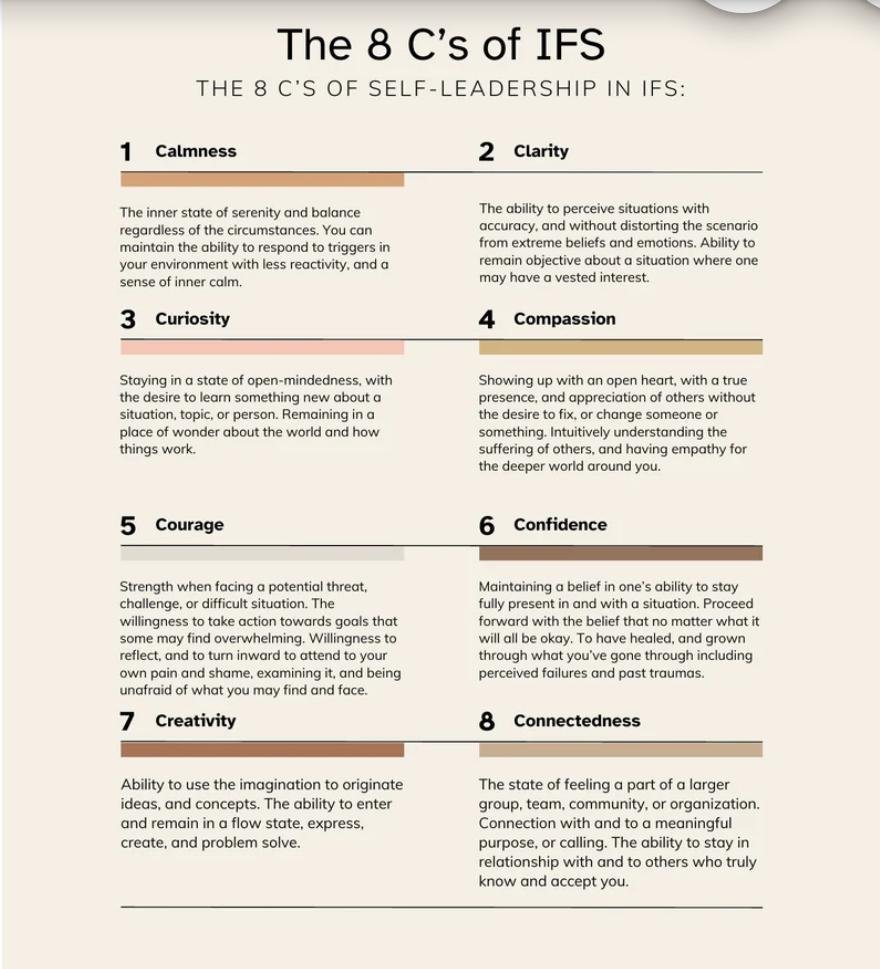
I like the idea of this mindset change, and have started referring to my daily routines/rituals as “standards” for myself. Interestingly I have found them easier to maintain than New Year’s resolutions, and I am seeing the benefits hence why I mentioned it here. What helps you to commit to developing your best self?
Polyvagal Theory
Since I first read about Polyvagal Theory, I have been fascinated about how understanding this accessible theory can benefit those I work with in my private practice. Polyvagal Theory comes from Dr. Stephen Porges, a researcher who studies how our bodies and brains work together. The word “polyvagal” comes from two words: “poly,” which means many, and “vagal,” which refers to the vagus nerve. The vagus nerve is like a super important telephone line that connects our brain to our body. It helps us stay calm, feel safe, or get ready to handle danger.
The Three States of Polyvagal Theory
According to Polyvagal Theory (PVT), our bodies have three main states that we can be in, kind of like different gears in a car:
- Safe and Social: Ventral Vagal – This is when we feel calm, happy, and ready to hang out with friends and family. Our heart beats normally, and we feel good. We can be curious, relaxed, and social.
- Fight or Flight: Sympathetic Activation – This is when we feel stressed or scared. Our body gets ready to either fight back or run away from danger. Our heart beats faster, and we might feel anxious or worried.
- Shutdown: Dorsal Vagal – This is when we feel super overwhelmed or hopeless. Our body slows down, and we might feel very tired or disconnected from everyone around us or even from ourselves.
I have been particularly drawn to the work of Deb Dana after some of my IFS colleagues attended training with Deb and raved about how accessible she makes this theory for us as clinicians and for our work with clients. 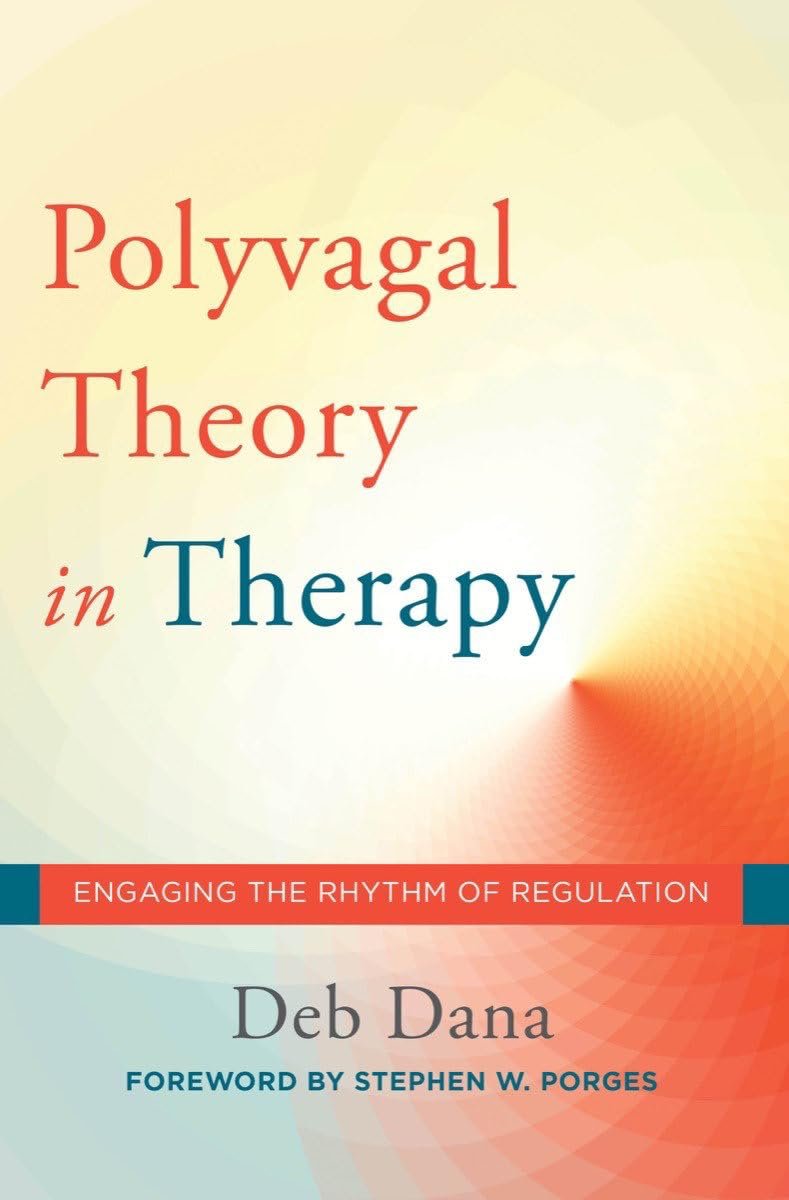
Inspired to better understand this theory, I made a commitment to read more about PVT this year, which has included a wide range of resources and information. I made this commitment with a friend who likewise wanted to delve deeper into this fascinating topic, we have gathered so much information we set up a WhatsApp group between us to keep track of the vast array of materials! (I can only wax lyrical about the benefits of a “study buddy” to keep you on track with your commitment to read, study and continue learning, it makes learning more relevant too – as you get to explore what has resonated and how you have used the learning in practice, which is always inspiring.)
In our learning and reading, we got engaged in a discussion about whether a “Glimmer” is the same as “synchronicity” or if it is something else. They shared with me a link which was a helpful description of what a “glimmer” is. As someone who was inspired by reading Julia Cameron’s book “The Artist’s Way” I am constantly seeking out moments of synchronicity and was therefore reassured to see that this article does say there is a connection.
If you’re interested in increasing your gratitude and noticing what is happening in and around you, then this article that explores increasing your awareness of glimmers is definitely something worth pursuing. https://improvisedlife.com/2023/12/03/a-guide-to-glimmers-and-where-to-find-them/
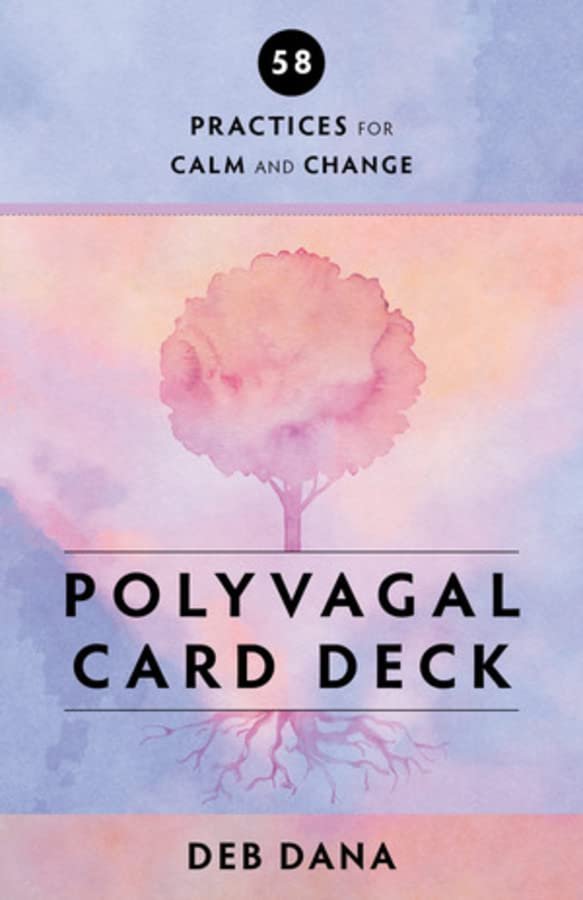
 Lastly, if you are interested in learning more about PVT without attending a full course or taking a deep dive into a myriad of books, I would recommend this beautiful Polyvagal Card Deck by Deb Dana, which is easy to use for personal learning and has many useful applications in practice too.
Finally…
I am drawing this blog to a close, as I am mindful of some helpful feedback that I received from a wise supervisee (Julie) after they read my December blog. Their feedback was;
“Less is more!”
She went on to explain that in offering so much content that I was in danger of offering “too much value” and that maybe to encourage people to read, that “less might be more”. What do you think?
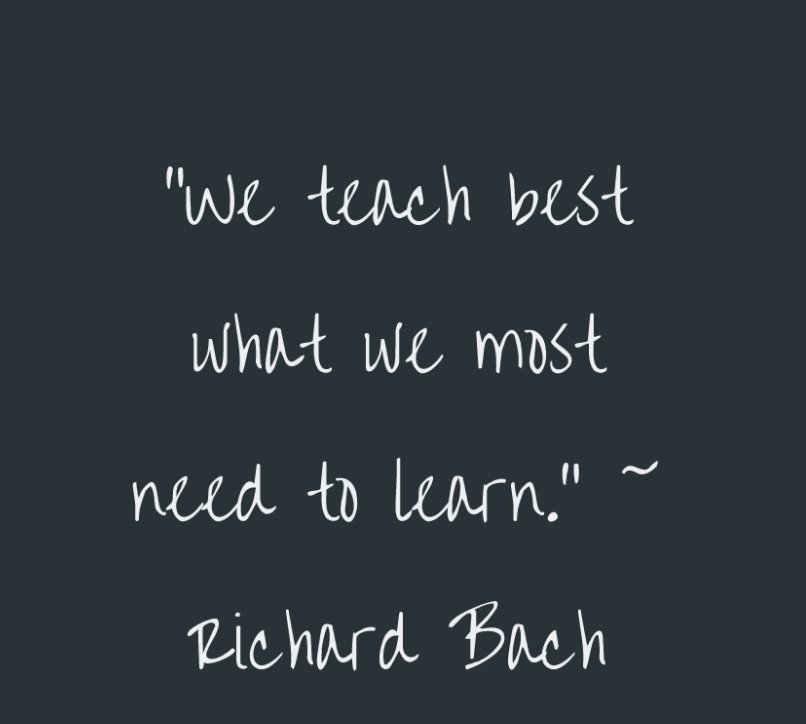
As a lifelong learner who enjoys learning as a form of “self care” as well as personal development, I will finish with Richard Bach’s wise words…. let me know whether you agree.
I look forward to connecting with you again in June, bye for now…