Looking Back on the last Quarter….
For those of you who have found my website and found your curiosity clicking on the “blog” tab, thank you for connecting and spending time with me. I’m writing this at the end of 2024, having made a commitment earlier this year to connect with people and share what I have been up to in terms of my life, learning and growth.
Maybe you are one of those individuals who works with me, or maybe you have attended one of my workshops or courses. Or maybe you were using a search engine and something about your search generated the suggestion to click on my website. Whatever brought you here, welcome and thank you for spending time letting your curiosity meander across my website.
This year has seen a lot of changes and as I edged closer to taking time off, the draft for this blog was visited and revisited regularly, with significant changes in the content taking place because many of my parts couldn’t settle with what they wanted to share with you.
For those of you who don’t know me, this year has seen me lean into developing my practice as an Internal Family Systems (IFS) informed therapist and clinical supervisor. In the summer I completed my Level II IFS training – Deepening and Enriching with the IFS Trainer Osnat Arbel and in November I completed training in Integrating IFS with Supervision and Consultation with the IFS Trainer Liz Martins. If I didn’t love my work, I think there is a part of me that could be a full time student!
In brief, IFS therapy, which was developed in by Richard Schwartz, is an approach to psychotherapy that identifies and addresses multiple sub-personalities or parts within each person’s mental system. In addition to these subpersonalities/parts, Schwartz describes the “Self”, which is at the core of every individual.
In terms of being able to distinguish between a “part” and “Self”, IFS helpfully explains that there are certain characteristics that demonstrate evidence of “Self” energy and these are often defined or identified by what Schwartz refers to as the “8 C’s” and “5 P’s”.
The 8 C’s of the Self in IFS Therapy:
- Calm: This is about feeling centred and peaceful inside, even when things are difficult in or around us.
- Clarity: being clear about who we are, what we think and what we want, which supports us in making choices and decisions.
- Compassion: the capacity to be kind and understanding, especially to our own feelings of suffering.
- Confidence: It’s believing in ourselves and our value, even when we may be knocked or things change around us.
- Connectedness: this is the capacity to be connected with ourselves, others, and the world around us.
- Courage: our ability to look at our fears and shadow and consider experiences that would be easier to avoid, deny or distort.
- Creativity: when we are in “Self”, we are innovative and able to generate new ideas and find alternative ways to communicate and connect with ourselves or others.
- Curiosity: This means being open-minded, interested and absorbed in getting a better understanding of ourselves, our lives and others.
The 5 P’s in IFS Therapy:
- Patience: accepting taking things slowly.
- Persistence: determination to keep going, even when things get tough, because we know it’s worth it.
- Perspective: Seeing things from a bigger view, beyond our immediate reaction or responses.
- Playfulness: Approaching life with light-hearted attitude and finding joy in exploring ourselves.
- Presence: Being present and aware of what’s happening inside us without getting overwhelmed.
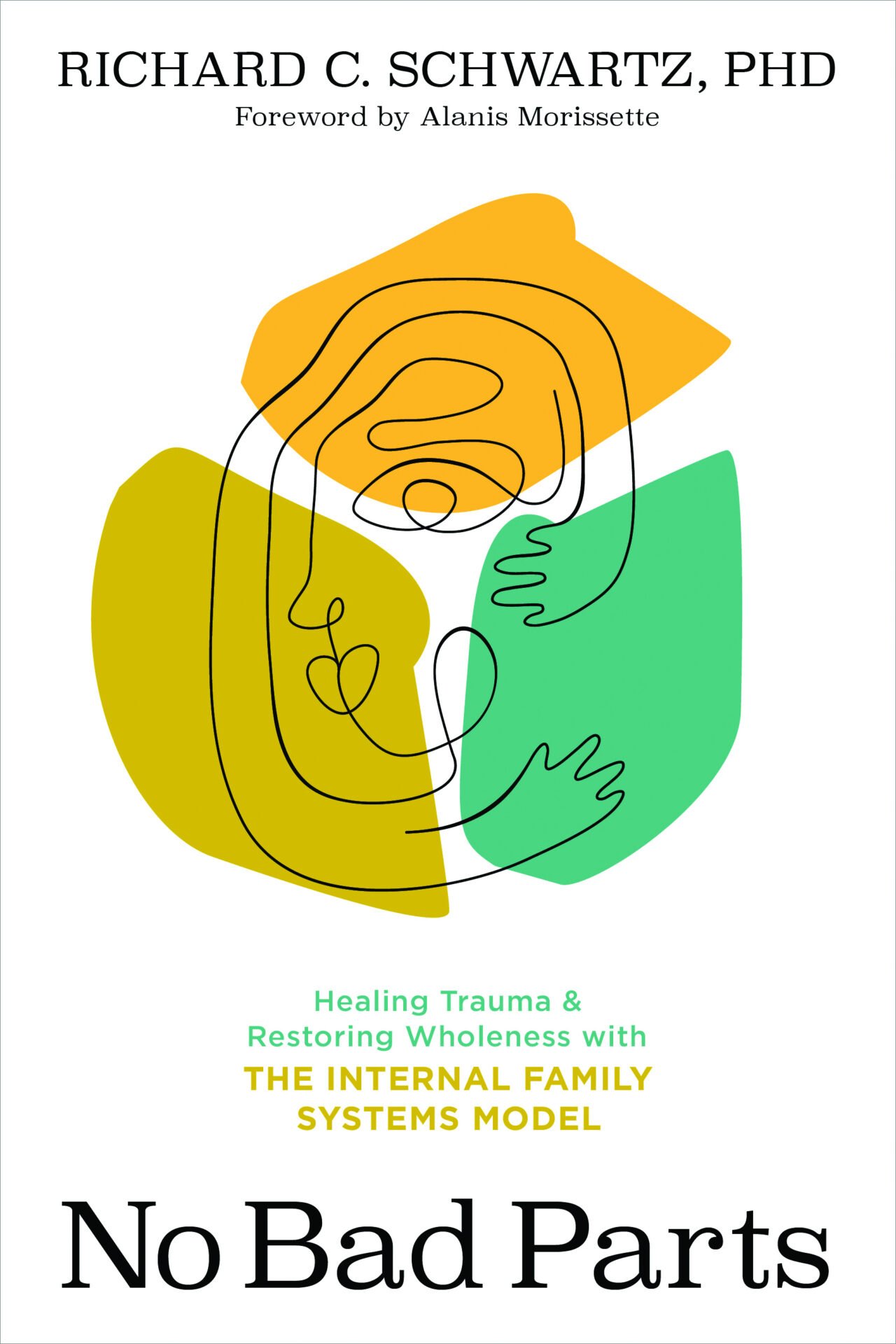
There is so much to read, learn and understand about IFS, if you’re interested in learning more, I would encourage you to start with the Schwartz’s book No Bad Parts.
However, if you’re wanting quick access to lots of information beautifully written, I would recommend Niney Maries website called “Everything IFS”. https://www.everythingifs.com/ She has done a lot of the work for us – check it out and see what you think yourself.
In addition to immersing myself in the world of IFS, I continue to revisit topics that are generated by my work with others. When I find something that offers a different perspective or adds to my understanding, I make a note to share it here with you. Here are some things I have particularly valued, I hope you do too.
Attachment
When thinking about connection with myself and others I was drawn back to re-reading around the fascinating topic of attachment. When thinking about the topic of attachment, you might consider revisiting the work of John Bowlby and Mary Ainsworth.
Attachment styles are patterns that emerge in our earliest relationships and connections with caregivers. These early attachment styles play an important role in child development and also influence attachment patterns in adult relationships. It is often said that knowing more about which style you have (secure, ambivalent, avoidant, or disorganized) can help you better recognize the challenges you might face in your relationships as an adult.
However, in listening to clients who have either completed questionnaires online to determine their attachment style or have received “labels” from others, I’m not sure how helpful this approach to understanding relationship challenges is for the individual. Where is the offer of hope and consideration of the capacity to change? It was therefore with some delight that I came across the encouraging and hopeful work of Linda Thai. Linda describes attachment as a “Cosmology”, involving several key relationships (not just one), such as our connection to:
- Nature (the seasons, the land, the seas, the sky, and where our food comes from)
- Elders and Ancestors (our bloodline, professional ancestors, teachers, mentors, and the elements)
- Culture (music, stories, language, movement, silence, food, and laughter – the rituals of human life)
- Our bodies (rest, play, and work – the body stops becoming utilitarian and instead becomes a place of pleasure and joy)
- Time (understanding where your life, your family, and your cultural moment fits into the bigger picture of life on this planet).
Linda would describe being “securely attached” as something that would depend upon our level of connection in each of the 5 areas above.

If you’re interested in finding out a bit more about her work check out this 10 min clip where Linda explains her work in more detail. https://www.youtube.com/watch?v=K0IFOo_D738
Anxiety and Obsessive Compulsive Disorder
I supervise a number of therapists who work with students in University settings and these therapists practice reflect a range of modalities, sometimes a client will ask for a therapist from a specific modality, for example when experiencing anxiety and OCD, a client’s GP will often recommend they seek out CBT therapy. What is most important for any therapist to consider is what the client wants and before any work can be done, it will be important for the client and therapist to establish a working relationship and trust in the therapists confidence in working with their presenting issues.
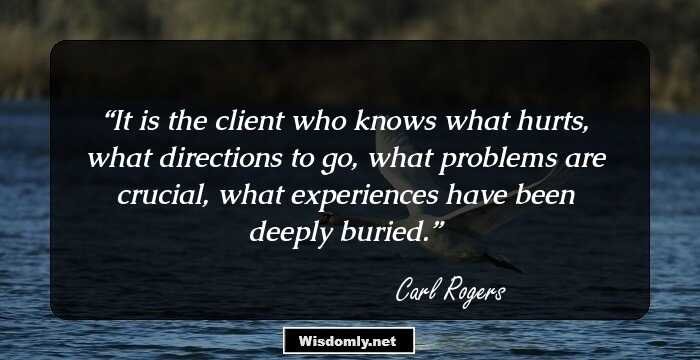
With this in mind I was interested in what clients themselves reported they had found helpful, after all aren’t our clients the experts in “what hurts” and what helps? Here are some links to resources that came recommended.
https://www.choosingtherapy.com/ocd-podcasts/
https://www.ocduk.org/ocd/types/
Saying “no” and protecting your boundaries
How good are you at saying no to others? Saying no, is the simplest way of holding a boundary. It may sound simple to say no, but it most definitely is not easy.

I witnessed a rather heated discussion about the expectations and pressure around over the holidays, including competing responsibilities, parenting demands, offering support to family and knowing when it is okay to say “no”.

In reading about assertiveness, communication and holding boundaries in relationships I came across this article. Boundaries help us to stay safe, and if we can’t say “no” to others we can be at risk of tipping into co-dependency within our relationships. So if you want to build confidence in how to say “no” with family, friends or colleagues – check out this link.https://amybraunlcpc.com/blog/boundary-phrases

Loneliness and Compassion
I have been struck by the theme of loneliness and clients experience of being “different” to others, struggling to find connection and form lasting relationships. When working together with clients it is not unusual to hear their stories of emotional neglect, abuse and trauma (both little and big T trauma) in their lives. These experiences can often leave clients feeling shame and fear, which in turn makes trust in people, whether that is people in their families, workplace or local community tricky to navigate. I notice how challenging it is for these clients to accept compassion, suspicious that it is not deserved and often they will be wrestling with parts inside that are critical, blaming themselves for their difficulty connecting and building satisfying relationships with others.
As therapists we understand the long term effect and impact of Childhood ACE’s, Trauma and Shame. We also know the healing benefits of compassion and much of our work involves feeling another person’s pain and being motivated to take steps to help relieve their suffering. Interestingly the word compassion itself derives from Latin and means “to suffer together” or “be with the suffering”. Our clients see us infrequently, for an hour a week so when considering offering compassion, a key point in therapy is helping our clients to offer compassion to themselves, regardless of how they may think they don’t deserve it.
When developing some teaching materials for therapists, I came across the work of the Compassionate Prison Project and this short video called “Step Inside the Circle”. It never ceases to move me and realise how much our world needs compassion, and that has to start with ourselves. https://youtu.be/FVxjuTkWQiE?si=7qGqskqBvpFz0hqP
I would invite you to watch the video and then ask yourself;
- What difference could compassion make to your relationships with others?
- What difference could your developing compassion make to your own life?
- When will you start?
Remember – we are in this together!

Live for today, plan for tomorrow
This year has seen several changes in my personal life, and in the lives of people in my family and friendship circles. This has included a range of experiences requiring people I care about to navigate uncertainty including sudden changes in relation to health, relationships, housing, employment and their plans for the future. As someone who often is heard to say “keep things simple” and “focus on one day at a time”, when it comes to planning years ahead, I am aware how often I avoid planning too far into the future, because I know that the future is not promised and I don’t want to miss the gifts of today.
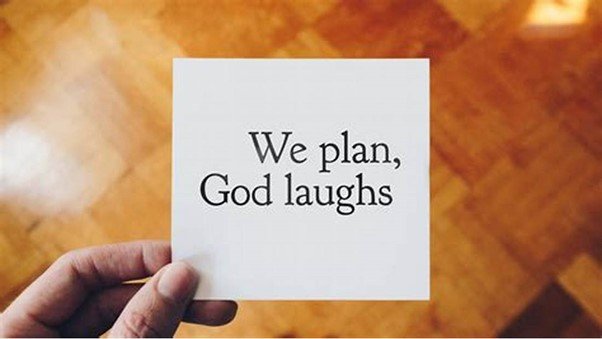
That said, I set myself goals, maintain a “to-do list” and keep a diary with many appointments and commitments scheduled on a rolling basis for at least a year at a time. So whilst I might have parts avoiding long term arrangements, I would say planning has its place, as long as we hold our plan lightly and are ready (and willing) to adapt, adjust and flex to circumstances beyond our control.
Taking on board the wisdom of my family, friends and colleagues I did change a few things this autumn, that I believe has made a difference in to achieving a better balance – between the “here and now” and the future. It has included…
- Updating my diary to include both time for myself and others, with extra space to “flex” when circumstances happen that are beyond my control.
- I have learned that often the tasks I struggle with will take me longer than I think it’s going to, so it’s best to over estimate how long the task will take when culling time out in my diary. Anything that doesn’t take that long, I can use the time to do something for pleasure, which is an added bonus!
- Seeking the expertise of people outside my personal network to discuss ideas, decisions that I am prone to put off. This has included;
- Changes in personal health practices, around exercise, sleep, diet and nutritional advice. If something is not working, I try something else! Whilst a routine can help when things change it’s important to be flexible and see if there is “a small tweak” can make a “big difference”.
- Seeking out a financial adviser to plan for the short and medium term.
- Listening more to my body, hearing when it says “no” and following its instinctive advice.
- Engaging in meditation, on my own and with others and developing confidence in my instincts and intuition.
- Balancing time between activities for work and activities that engender creativity and support resilience and well-being, including rest.
- Have a basic routine, including sticking to the time I go to bed and get up in the morning, along with maintaining practices that help me to look after my body and my mind.
- Reading – daily readings, inspiration and reading for pleasure
- Physically writing down the things that I am grateful for
- Meditation
- Movement/exercise
- Eating a varied and nutritious diet
- Journalling
Which of these practices offered me the structure that I need to maintain my routine and consider the future? Journalling.
Journalling
The practice of writing has become so important to me, I wanted to offer my experience of what has worked for me. Since reading the book “The Artists Way” by Julia Cameron and engaging with the practices suggested there, including “the morning pages”, writing/journalling is now something that I do every morning. I will then revisit my morning writing/journals (yes I have more than one!), in the evening to reflect and consider how the day has gone. Sometimes I will write prose, sometimes it’s writing answers to prompts, other times I will find myself using bullet points or a mind map.
Whatever I use, I find the process of getting things “out of my head” onto paper a helpful way to externalise my thoughts and feelings and gain perspective.
Further to listening to a podcast by Dr Rangan Chatterjee at the start of the year, I took to writing responses to his suggested morning and evening prompts.
AM questions:
1. What is the most important thing you have to do today?
2. What is one thing I deeply appreciate about my life?
3. What qualities do I want to show the world today?
PM questions:
1. What went well today?
2. What can I do differently tomorrow?
3. What did I do for someone else today?

Looking back over the year and seeing recurring themes and patterns I can appreciate the value of asking the same questions daily, not only has it given me a deeper insight into my values and beliefs, but it’s also offered me a structure to turn inwards and connect with myself and my needs and aspirations.
Whilst I won’t be using this practice in 2025 (I have a list of other things I want to do!), I would really recommend listening to the podcast that sparked my imagination and considering either this or some form of journalling for yourselves. It offers the chance for a deeper relationship with yourself and a means by which to seek connection with others. https://drchatterjee.com/how-to-make-2024-your-best-year-3-questions-to-ask-yourself-each-day-with-dr-rangan-chatterjee/
Plus, it offers the opportunity to indulge in purchasing new stationery, one of my own guilty pleasures.
Stationary – let’s be creative!
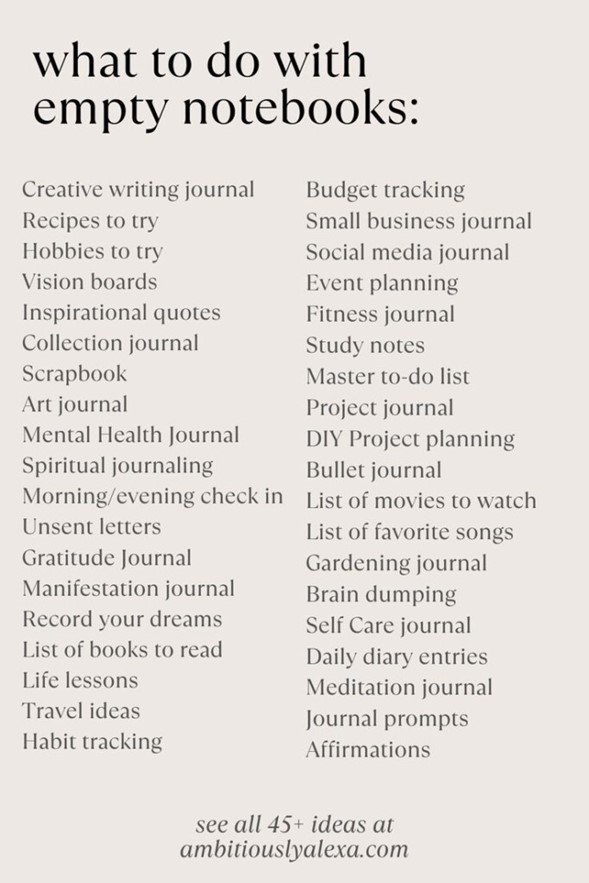
Who loves stationary? I confess it’s one of my guilty pleasures, I love a new diary, notebook or journal. However, as the year comes to a close, I have a few that I started and didn’t continue, with all good intentions and now I have been questioning what to do with them, before I start another new one for a different purpose in 2025.
So it was with delight I came across this list of suggestions. If you are interested in other suggestions, check out this link. https://ambitiouslyalexa.com/creative-empty-notebook-ideas/
Self-Care and Motivation
Self-care is a much-used term in therapeutic circles and in my own experience, it brings to mind spa days or other such pampering, which to be honest, can trigger a part of me that rolls its eyes and quickly wants to move the topic of conversation on. However, all of us can have times when we lost our motivation and know that something needs to change so we can reconnect with ourselves and others.

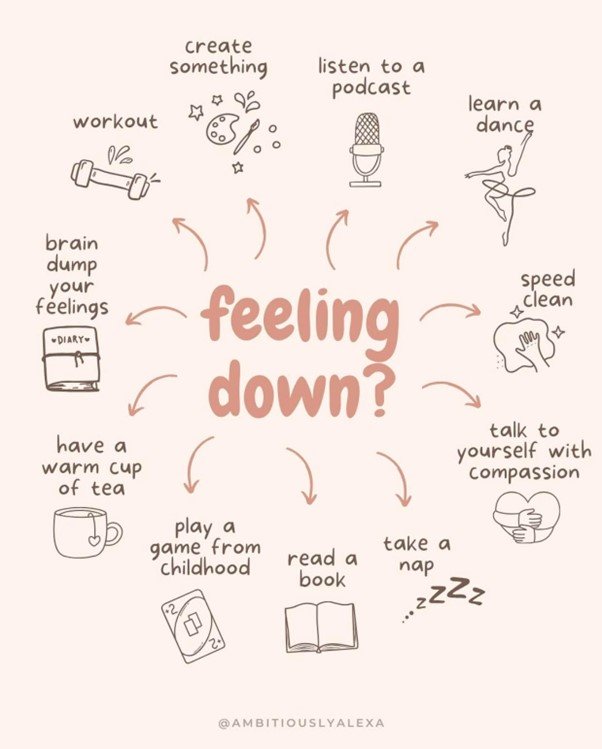
A meme I saw offered some suggestions to help shift us from feeling down and lacking in motivation, and I was delighted to see some of the things that I already engage in and a few that I don’t but have promised myself to use over the time off (I will be dusting off my board games!) maybe you will do something different too, I hope so.
However, these activities shouldn’t be something that we only turn to when we are feeling down and despondent. Regular self care that meets all of your needs and interests has got to be a better practice to commit to which can protect you from losing your mojo when you wanted it most. Jay Shetty’s meditations introduced me to the work of Robyn L. Gobin, Ph.D. who wrote the book “Self-Care Prescription”.
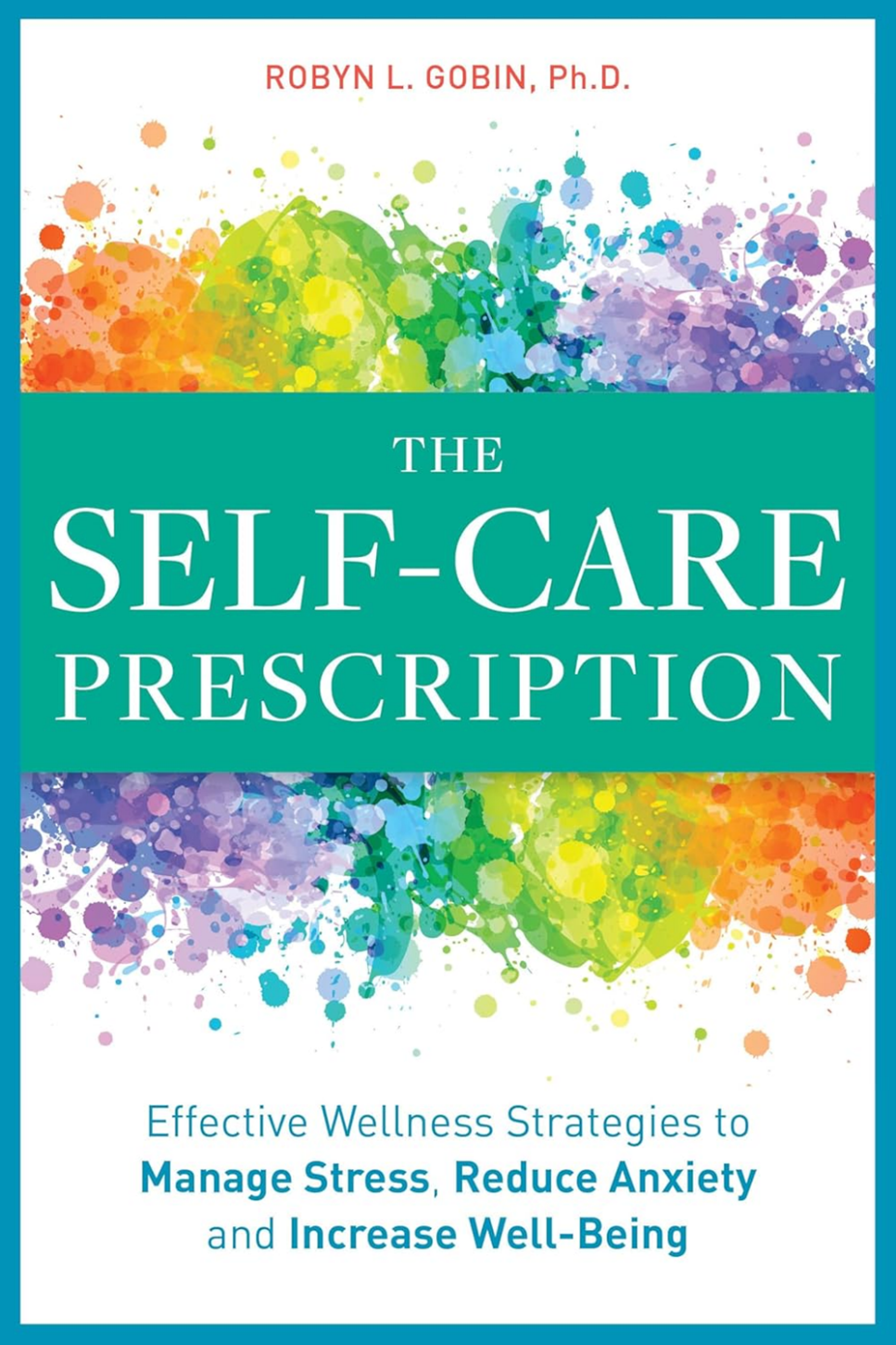
The book is structured on 6 different areas of self-care, which immediately opened my mind in perspective on how I could better take care of myself. This included the following areas of self care;
1. Social self-care – exploring relationships with friends, family and fun.
2. Physical self-care – the importance of movement, and building a relationship with our bodies physical needs.
3. Intellectual self-care – discovering what stimulates our minds.
4. Vocational self-care – a consideration of the interplay between work and play.
5. Spiritual self-care – investigating our “higher self”.
6. Emotional self-care – considering how we can become our own best friend.
As we edge nearer to the festive holiday season, I wonder which areas of self-care you will focus on and whether the above might whet your appetite to do more self-care to meet different needs within you. Let’s face it, the pressure that is put on us to “do everything” in anticipation of the Christmas holiday period is enough to exhaust even the most energetic and enthusiastic amongst us.
Before I leave the topic of self care and motivation, if you feel encouraged to explore this further into 2025, why not check out http://www.ambitiouslyalexa.com (a website that focuses on self care journalling for busy women), who has some really useful free resources that might support you in committing to better self-care so you don’t lost your mojo in the year ahead.
So that’s it for 2024, I wish you, your families and friends all the best over the festive period. I hope that something here might resonate and offer you something new to read, learn or practice. Whatever you do over the holiday’s though, don’t forget that it’s not all about the decorations, food or presents – it’s about connecting with ourselves and others with love and compassion. And if you want to read about the ways you might approach that thorny topic go to this article at The Good Trade for ideas. https://www.thegoodtrade.com/features/how-to-show-love/?

Go gently with yourselves into 2025.